Rosemary Liang: Discovering my passion for engineering
 March 2, 20235 min read

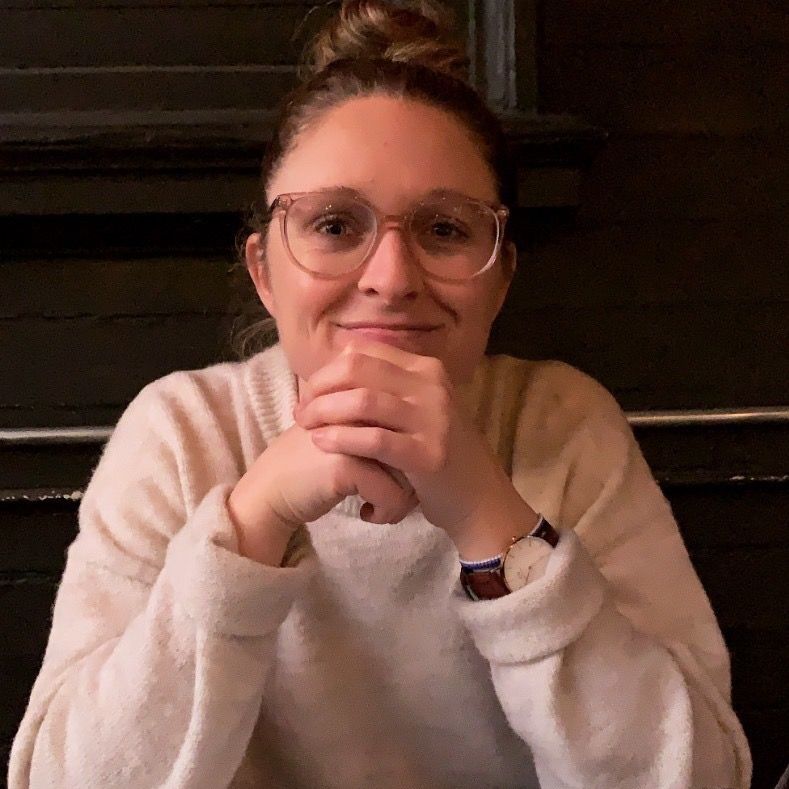
Today we’ll meet Rosemary Liang, the winner of our Mayuko x Formation Scholarship. Rosemary worked for 5+ years in finance before pivoting into software engineering. Here’s her journey from bootcamp grad to placed Formation Fellow.
What was your educational/professional background prior to Formation?
I got my Bachelor’s and Master’s in Business Administration and Accounting. For the next few years, I worked in everything from public accounting at Big 4 firms to private accounting at various companies and eventually went into finance. I felt like I had tried everything and was still unsatisfied with my career: external audit, internal audit, GL accounting, and financial planning & analysis. I found that the only time I enjoyed my work was when I was working on process improvements. I wasn’t being stimulated in the ways I wanted to be in my finance and accounting roles.
That’s when I realized that I had a skill gap I needed to close. In hindsight, I might have struggled to keep up with this job if I had been offered it. I knew I wanted to close my skill gap and do it efficiently.
What originally got you interested in engineering?
While I was on maternity leave, I stumbled upon a video of a YouTuber named Bukola. She felt like a real person who also happened to be a software engineer. Her videos were approachable and she didn’t fit the software engineer stereotype at all, so I really connected with her. Bukola’s videos sparked my interest in coding so much that I actually quit my job and joined a bootcamp.
Originally I wanted to join a FAANG company. But over time, I realized...I wanted a role where I would have a coach and mentor since I was at the beginning of my engineering career. Team culture was also a big priority; it makes a big difference in your day to day. My goal changed from FAANG to prioritizing a company where I felt I would get all of those things plus a healthy work-life balance.
What made you want to up-level your career?
Once my bootcamp was finished, I started my job hunt. The bootcamp I went through initially had strong career services support, but both people leading the program left while I was there. Their backfills didn’t seem to be as effective in supporting their students and career outcomes, sadly. Still, I ended up getting into final rounds with a company through a referral. They told me I was the bar they compared other people to, but that I still didn’t get the job. That’s when I realized that I had a skill gap I needed to close. In hindsight, I might have struggled to keep up with this job if I had been offered it. I knew I wanted to close my skill gap and do it efficiently.
How did you learn about Formation?
I watched another YouTube video, this time it was Mayuko being interviewed by Sophie [Formation’s Co-Founder].
What was your specific goal in becoming a Fellow?
Originally I wanted to join a FAANG company. From my years of working in public accounting, I understood that the benefits of working at a Big 4 and FAANG were similar, so I made it my goal to land at a FAANG company. But over time, I realized I didn’t want the intense 80-100 hour work weeks I experienced at the Big 4. I also wanted a role where I would have a coach and mentor since I was at the beginning of my engineering career. Team culture was also a big priority; it makes a big difference in your day to day. My goal changed from FAANG to prioritizing a company where I felt I would get all of those things plus a healthy work-life balance.
The Formation team is very good at listening, monitoring the feedback channel, and notifying you why they are/are not implementing a suggested change. I loved the iterative changes over time to the platform and the curriculum.
What was it like working with the Mentors?
Each Mentor is different, but some of them really stand out for their ability to make you think about things in a different way. The way one of my Mentors helped me look at a particular data structure was mind-blowing. They don’t always follow a script, but they use it as a structure and tailor it to the current Fellow in that session.
What did you think of the platform?
The Formation team is very good at listening, monitoring the feedback channel, and notifying you why they are/are not implementing a suggested change. They’re trying their best to help Fellows succeed. I loved the iterative changes over time to the platform and the curriculum.
My behavioral skills were already good, but my Mentors took it to the next level!...They gave me actionable, constructive feedback that I implemented into my new interview routine.
How did you measure your progress throughout the fellowship?
At first, I was really afraid of failing benchmarks, but then I reframed my perspective so that if I failed, that means I’m one step closer to figuring it out. Failing helped me identify what I needed to learn during my Fellowship. Mentors were also really good at asking why you decided to code something a certain way, which helps you identify holes or tradeoffs in your approach and understand it even better.
How did your interview skills improve with your Formation training?My behavioral skills were already good, but my Mentors took them to the next level! We covered everything — from what to do when compensation comes up early in the conversation to describing a time when I received critical feedback. They gave me actionable, constructive feedback that I implemented into my new interview routine.
It felt like Formation was constantly evolving to meet the needs of the current students. Even with the economic shift, they hosted a town hall and opened an ask-recruiter channel so Fellows could get extra support.
Proudest moment?
Interviewing for my new current role. I learned Swift in a month and a half and finished a 7-day take-home project to land this role. I was mostly able to do this because Formation gave me a lot of practice with React and JavaScript and I was used to the rigorous pace of the Fellowship, so pivoting to iOS development felt like a natural extension of what I had been training for.
Favorite group session?
Quite a few! But the theme is that they all expanded my mind. That knowledge stays with you even after you leave Formation.
Biggest surprise about Formation?
How the platform keeps improving iteratively. Formation takes action on the feedback Fellows (and Mentors) provide. It felt like Formation was constantly evolving to meet the needs of the current students. Even with the economic shift, they hosted a town hall and opened an ask-recruiter channel so Fellows could get extra support.
I was also surprised by how responsive Michael [Formation’s Co-Founder] is! He reached out to congratulate me on my scholarship. On top of that, he specifically set me up with two Mentors who could do my Swift technical mock interviews.
Any advice?
Communicate, tell people what you’re looking for, and give any feedback you have. If you vibe with someone, schedule pair learning sessions together! It was cool seeing someone week over week and sharing their successes with them. Now the people I've been in the Fellowship with since the beginning are getting placed and I am so proud of them.
Also, don’t be afraid to do unconventional things! I didn’t know Swift or iOS, but I took a chance. I felt like a bigger fish in a small pond because of how well Formation prepared me in my foundational knowledge, so I gave it a shot. Be open to new opportunities.
Ready to join the Fellowship? Apply today and up-level your software engineering career like Rosemary.



