Arshiya Singh: The Right Feedback Helped Me Land a Role at Microsoft
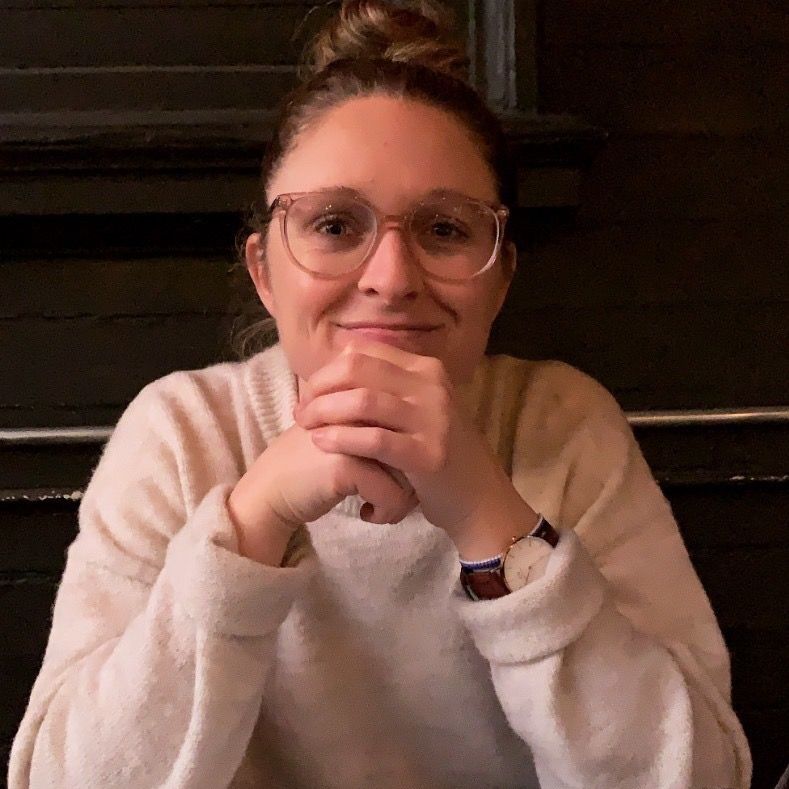 October 20, 20226 min read

After 3+ years of engineering experience, Arshiya was Leetcoding and re-taking a DSA course to prepare for interviews, but she wasn’t getting the feedback she needed to take her career to the next level. Here’s Arshiya’s journey to becoming a Software Engineer at Microsoft.
What were you looking for before you joined the Fellowship?
I’ve always wanted to work for a tech company. I used to work at Accenture, which was all about serving the client, even if their product didn’t work as expected. You always deliver to the client. I wanted to be in an environment where we were focusing on something we owned. In consulting it’s not like that; they don’t own the product, the client owns it. They’re just trying to deliver whatever the client wants. I learned that consulting just wasn’t for me, and I wanted to work for a tech company.
My target companies were: Microsoft (my reach), Spotify, and Netflix. They all aligned with what I wanted; I got really burnt out at Accenture, so a good work-life balance was an important factor to me.
What was your educational/professional background prior to Formation?
I graduated from Georgia Tech with a Bachelor’s in CS. I joined Accenture as my first job out of college and was an engineer there for about 3.5 years
What originally got you interested in engineering?
It came “late” to me as a high schooler. I knew I was good at math, and one of my math teachers recommended I take the AP Computer Science class. He gave me a free link to a book and I started learning bits of code through it. I never ended up taking the AP class, but I did teach myself the course materials. I wasn’t even planning on going to college, but I was hooked as soon as I learned about CS.
What problem were you facing before joining Formation?
I knew I wanted to leave Accenture, but I had a really hard time passing interviews. I really couldn’t figure out how to interview. I had retaken a separate DSA course online and had a Leetcode premium account, but after each and every failure, my motivation was plummeting. I was getting no feedback as to how or why I failed. I wished there was a program that was geared towards mid-level career engineers. When I heard about Formation, it solved that gap of having the technical skills you need but you still need some community-based feedback or help. It’s not enough to teach yourself Blind 75. I needed individualized feedback as to what I was doing well or missing out on. Interviewing is not just solving problems, it’s also communicating your thought process to the interviewer.
Justin and all the FAANG mentors gave me such helpful feedback in mock interviews that I knew exactly what I should be doing in a real interview.
Why did you end up choosing Formation?
I needed something in-person but this was during COVID. I did try some online interview prep courses, and some tips worked and some didn’t. When I discovered Formation, I saw that it had live 1:1 and group sessions with FAANG engineers. That’s exactly what I needed—someone in the FAANG industry who could tell me what to do in an interview.
What was your specific goal in becoming a Fellow?
Initially, I didn’t have a specific goal in mind, but there was one point when I was going through the Algo Marathon (one of the most difficult phases of the Fellowship), and I was so determined to pass! That became my first goal. Then, once I passed, landing an interview at my target companies became the next goal.
It was really easy for me to book a 1:1 session with a FAANG mentor from the target company I was interviewing with. Formation has great system design interviewers, and I think that’s what helped me pass my Microsoft interview.
What did you think of the tech platform?
It’s so well managed. I really liked the Kanban board. You can schedule your own tasks and write notes, so I treated it as my personal agenda. It’s really easy to move things around when you need to. I liked the job hunting board with statuses for each job. It tells you what kind of interview you have coming up and I recorded my answers there which kept me organized.
How did you work with the mentors?
It was really easy for me to book a 1:1 session with a FAANG mentor from the target company I was interviewing with. I also requested a system design mock interview session; Formation has great system design interviewers, and I think that’s what helped me pass my Microsoft interview.
One really good thing that one Mentor, Justin, did was he paid attention to my answers. He critiqued my answers, in a good way, so I knew exactly what I should be doing and saying in an interview. He helped me learn how to pass the interview even if you and the interviewer don’t overlap in your work. Justin and all the FAANG mentors gave me such helpful feedback in mock interviews that I knew exactly what I should be doing in a real interview.
Formation helped me prepare for the interview process, but it also helped me decide where my career should be as a mid-level engineer.
How did you measure your progress through the program?
My passing scores. Usually, you do a task and it shows up on your dashboard if you passed or failed. Initially, I was keeping track of my tasks based on those indicators and group session feedback/reviews. It was measuring all these things such as utilizing the engineering method or communicating your thoughts well and making sure I wasn’t repeating the same mistake. Or, if I was making a consistent mistake, it helped me see that I needed help in that area. I always knew the resources I needed to ask for to succeed.
How did your interview skills improve with your Formation training?Before Formation, I never outlined enough assumptions to solve the problem correctly. When you actually go through the steps of the Engineering Method with a Mentor live, it’s so helpful. You get to see what you’re good at and where you need to keep studying. Those sessions helped me understand how I was supposed to interview.
Formation helped me prepare for the interview process, but it also helped me decide where my career should be as a mid-level engineer. I learned what steps to take in the future as a senior engineer in the future and even learned about other career paths. I was considering a switch to machine learning (I did a bunch of AI stuff in college), and Formation had a lot of helpful career progression sessions that helped me find my way.
What team are you on in your new role?
I work for the core backend services under Microsoft Intune.
What is a project that you’ve shipped in your new role?
I have been looking into the old part of code and transitioning it into something new. I had a team buddy on the other side I could ask questions, plus my mentor was right there with me. I made my own tests, but after we deployed it, something went wrong. We reverted my code, and we’re investigating some solutions together. There was something we didn’t consider before and now we’re looking into it. Not exactly a success story, but these things happen!
I used to be very nervous [in interviews], but after gaining some confidence it was fun to see which patterns I could apply. Once you gain confidence, interviewing can be a lot of fun!
“Quick-Fire” Questions
Proudest moment?
Passing the most difficult Formation algo marathon assessment!
Biggest mistake?
When I first came into the program, I was a little too arrogant. I thought that because I had good coding knowledge and work experience I didn’t need to work as hard as other Fellows. I was speed-running through the first phase of the program, but I could’ve learned a lot faster (and better) if I actually slowed down and took the time to understand everything on a deep level.
Favorite “Lunch and Learn”?
The Tables Turned event. It was cool to see what a FAANG-level Mentor thought a good interview looked like.
Favorite session?
Mock interviews. I used to be very nervous, but after gaining some confidence it was fun to see which patterns I could apply. Once you gain confidence, interviewing can be a lot of fun!
Biggest surprise about Formation?
How much I actually learned. Most people assume that interviews are a piece of cake for the CS grad who took a DSA interview course. A few other surprises were:
- Being able to talk to Michael (the Co-Founder) about tech companies and what they offer (stock options, etc.)
- The amount of support I could get from anyone in the Formation network about any company I was interested in
- The negotiation support—Michelle helped me realize things I never thought I’d think of; she taught me how to navigate a situation when a recruiter is trying to keep your offer as low as possible
Advice for prospective or incoming Fellows?
It’s okay to take it slow! You don’t have to speed run. Just because you come from a certain background doesn't mean you have to do things a certain way, either. Take charge; it’s your place!
Looking to level up your SWE career? Formation can help. Apply today to land your dream role, guaranteed.



